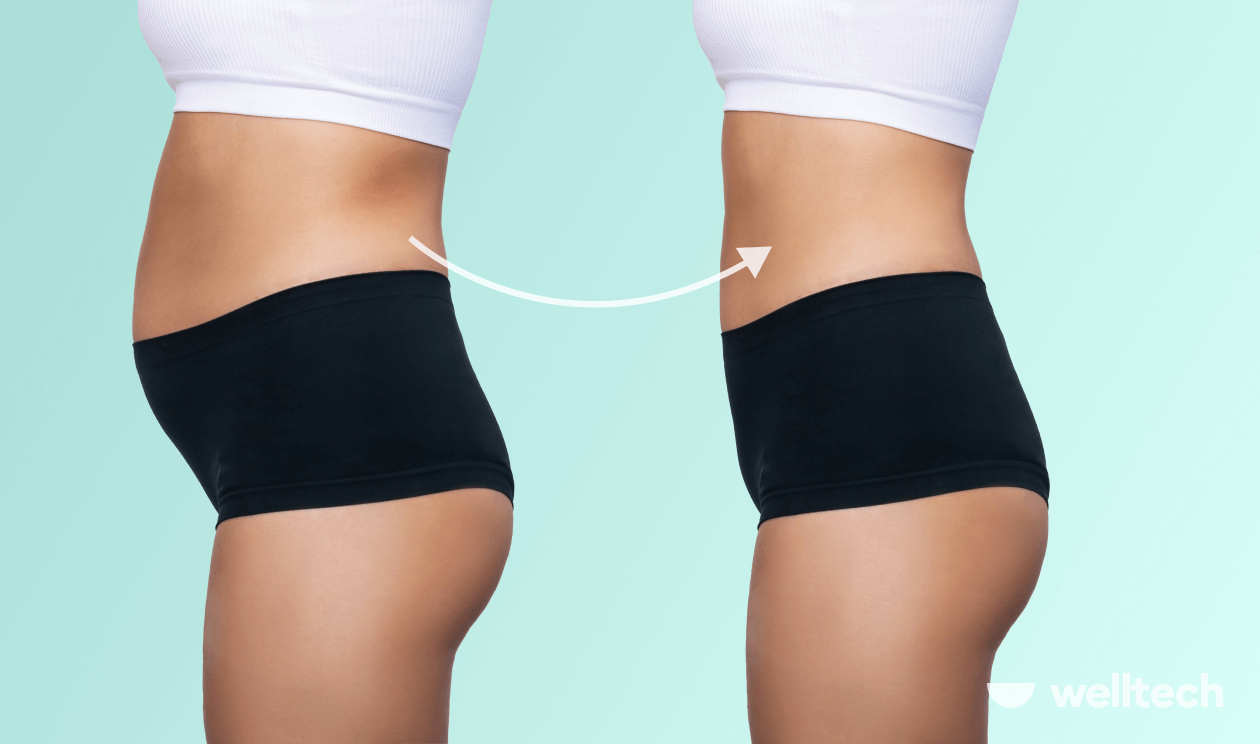
Bloating is one of those symptoms that shows up at the worst time. Your stomach feels tight, heavy, or puffy, and even simple things like sitting at your desk or buttoning your jeans start to feel uncomfortable. For many people, bloating can stem from eating too quickly, having saltier meals than usual, hormonal changes, or a sluggish digestive day.
The good news is that most bloating is temporary and fixable, and you don’t need extreme cleanses or restrictive diets to manage it. A few simple shifts can help you learn how to debloat your stomach fast and feel more like yourself again.
What Causes Bloating?
Bloating can often feel like it comes out of nowhere, but there is usually a very real reason your stomach feels tight, swollen, or heavy. Most cases are related to how your body digests food, retains fluid, or handles stress. When you understand the science behind why it happens, figuring out how to debloat your stomach becomes much easier.
Gas Buildup in the Digestive Tract
Gas is one of the most common causes of bloating. It forms when bacteria in your gut break down food that was not digested earlier in the digestive process, especially high-fiber or high-FODMAP foods that contain certain carbohydrates that can trigger it.
Research shows that slow motility in the intestines can trap this gas, creating the pressure many people feel after a big meal.
Fluid Retention From Sodium
High-salt meals can cause your body to hold onto extra water, which leads to a puffy or swollen feeling around the stomach.
Sodium affects how your kidneys regulate fluid balance, making bloating more noticeable after restaurant meals or packaged foods. Reducing sodium helps your body release excess water more easily.
Eating Too Quickly
Swallowing food rapidly means swallowing more air. This excess air sits in the stomach and intestines, increasing pressure and discomfort. Slower eating improves digestion and reduces the amount of air swallowed during meals, which naturally decreases bloating.
Hormonal Fluctuations
Hormones influence how your body handles water, digestion, and gut motility. Many women experience bloating around their menstrual cycle because estrogen and progesterone affect how quickly the digestive system moves. These shifts can make bloating feel sudden even when their eating habits haven't changed.
Constipation
While it may not come on as suddenly, bowel irregularity can bring on bloat as well. If you are struggling with this, drinking more water throughout the day, increasing fiber intake and gentle movement can help.
How to Debloat Your Stomach Fast
Debloating works through a combination of reducing gas, improving motility, and balancing fluid levels. Movement helps stimulate the muscles in your digestive tract, which makes it easier for gas to pass. If you regularly wake up bloated or feel uncomfortable after a big meal, some of these quick habits can help ease the pressure!
Start With Gentle Movement
Light walking after meals helps stimulate digestion and reduce gas buildup.
Research shows that post-meal walks support better movement of food through your digestive tract, which helps ease pressure more quickly. Even a 10-minute stroll can make a real difference (and walking has plenty of other benefits, too!)
Drink Warm Water or Herbal Tea
Warm liquids help relax the digestive system and support smoother movement of food. Teas like peppermint and ginger have been studied for their soothing effects on the gut. Sipping slowly gives your stomach time to settle without adding extra air.
Try Deep Breathing to Reduce Tension
Stress tightens your abdominal muscles and slows digestion. Deep breathing activates the parasympathetic nervous system (which is why restorative yoga is so good for you!), which helps your body relax and release built-up tension. A few slow breaths can reduce the intensity of bloating within minutes.
Massage Your Abdomen
Gentle clockwise massage can help gas move through the intestines more easily. This technique is often used in clinical settings to improve digestion. Start at your right hip and follow a circular path up and across your abdomen.
Homemade Remedies That Can Help Debloat You Quickly
Some of the most effective options come from simple, everyday ingredients you already have at home. These natural methods don't replace medical care, but they can help you feel comfortable faster.
Ginger and Lemon Warm Water
Ginger has been researched for its ability to support gastric emptying and reduce discomfort. A warm cup of water with fresh ginger and lemon can soothe the stomach quickly and can be especially helpful after a heavy or high-fat meal.
Apple Cider Vinegar Water
Some people find relief by mixing one tablespoon of apple cider vinegar in a cup of warm water.
While research is very limited, some people have anecdotally reported it may help with digestion and reduce gas symptoms. Sip slowly to avoid irritation if you try this method, and avoid this approach if you have reflux.
A Small Serving of Pineapple
Pineapple contains bromelain, an enzyme that supports protein digestion. Some early research suggests it may help reduce bloating caused by slower digestive processes. A few small chunks are enough to test how your body responds.
Over-the-Counter Options for Quick Relief
If bloating is disrupting your day, certain OTC products can provide targeted support. These options are widely used and can help address specific causes of bloating.
Simethicone for Gas Relief
Simethicone breaks up gas bubbles in your digestive tract, making them easier to pass. It is safe for most people and often recommended for sudden gas-related bloating. Brands vary, but they all work through the same basic mechanism.
Digestive Enzymes for Heavy Meals
Enzymes can help if your bloating comes from meals higher in fat, fiber, or dairy. Research suggests that supplemental enzymes support more efficient breakdown of food in people with mild digestive issues. They are best used occasionally or as needed rather than daily.
Probiotics for Ongoing Support
Probiotics don't provide instant relief, but consistent use can improve gut motility and reduce bloating over time. Several studies show that certain strains, including Lactobacillus and Bifidobacterium, can help support regularity and digestive comfort. Choose a reputable brand and give it a couple of weeks to work.
Basic Diet Principles to Reduce Bloating Long-Term
Quick fixes are helpful, but long-term habits make the biggest difference. If bloating is something you deal with regularly, a few dietary adjustments can prevent that tight, uncomfortable feeling before it begins.
Eat Slowly and Mindfully
Eating too fast brings excess air into your stomach, which contributes to bloating. Slowing down helps your body digest more naturally and reduces the chances of overeating. Your digestive system performs better when it is not rushed. Eating slowly can also help if you struggle with emotional eating, enabling you to be more aware of your reasons for eating.
Choose Lower-Sodium Meals
High-salt foods cause water retention, which makes your stomach feel swollen. Reducing sodium supports a more stable fluid balance throughout the day. Cooking at home or checking labels can help you stay aware of hidden sodium sources.
Be Careful With Carbonated Drinks
Carbonation increases air in the digestive tract, which can lead to pressure and bloating. Replacing fizzy drinks with water or herbal tea is a simple way to reduce discomfort. If you enjoy sparkling water, keep portions small and sip slowly.
Add More Potassium-Rich Foods
Potassium helps regulate fluid balance and may reduce bloating caused by excess sodium. Foods like bananas, potatoes, avocados, and leafy greens support this balance naturally. Including these in meals can help your stomach feel flatter.
How to Debloat Your Stomach Overnight
If you want to wake up feeling lighter, focusing on calmer digestion and hydration before bed makes a difference. The goal is to avoid foods and habits that stress your gut at night.
Keep Dinner Light and Early
Heavy or late meals make it harder for your digestive system to settle before sleep. Late eating is linked to slower gastric emptying, which contributes to next-morning bloating, while a lighter dinner gives your body time to process food comfortably.
Drink Warm Water Instead of Cold
Warm water helps relax the GI tract, while cold water can sometimes increase tension for sensitive people. A small glass before bed supports hydration without overwhelming your stomach. There are other benefits too. Animal studies even suggest warm water can accelerate the growth of healthy gut bacteria. Just don’t drink too much before bed, because you might need to get up at night (for obvious reasons) and miss out on sleep.
Use a Heating Pad
Applying gentle heat can reduce tension in the abdominal muscles. Many people find that adding this small amount of warmth helps relieve pressure, making it easier to sleep comfortably.
Bottom Line
Bloating can make you feel uncomfortable, sluggish, or even self-conscious, but it does not have to derail your day. Simple habits like walking, sipping warm water, limiting carbonated drinks, and choosing nutrient-dense foods can help ease discomfort fast.
With consistent long-term habits, bloating becomes less frequent and far easier to manage, helping you feel lighter, calmer, and more at ease with your body.
FAQs
What is the best way to debloat quickly?
The fastest relief often comes from gentle movement, warm drinks like ginger tea, and reducing gas buildup through techniques like abdominal massage or OTC remedies such as simethicone.
Is it normal to feel bloated often?
Occasional bloating is common, but frequent bloating may signal food sensitivities or digestive issues that can benefit from dietary adjustments or medical guidance.
Can drinking water help with bloating?
Yes, staying hydrated helps your digestive system function more smoothly and reduces water retention caused by excess sodium.
What foods cause the most bloating?
Common culprits include salty foods, carbonated drinks, high-fat meals, beans, cruciferous vegetables like broccoli, and foods high in artificial sweeteners.
How do I debloat before bed?
Keep dinner light, choose warm liquids, avoid carbonated drinks, and support relaxation with gentle stretching or heat on your abdomen for better overnight comfort